

In the ever-evolving digital landscape, web design is a critical component that shapes how users interact with online platforms. As we approach 2024, staying abreast of the top 10 web design trends for 2024 is crucial for businesses and designers aiming to enhance user experience and maintain competitive advantages. These trends not only reflect technological advancements but also respond to shifting user behaviors and cultural landscapes, making them essential considerations for anyone involved in web design.
Last updated: March 2026
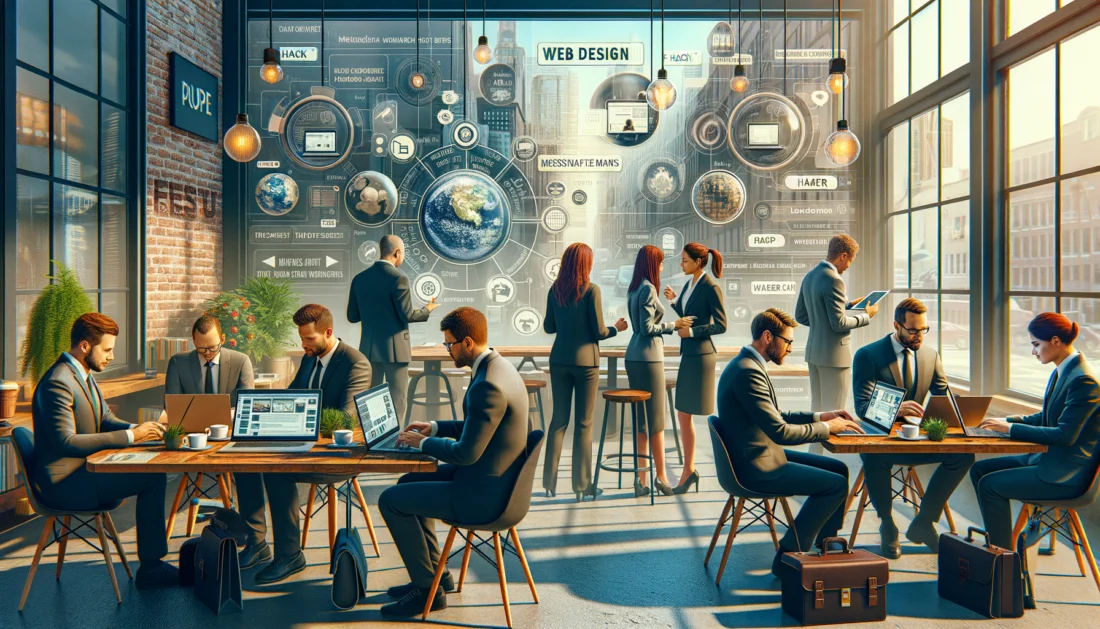
Exploring the Evolution of Web Design Trends
Web design trends have undergone significant transformations over the years, heavily influenced by technological advancements and changing user preferences. In the past, static and text-heavy websites were the norm, but today’s users demand dynamic, interactive experiences. This shift is largely driven by the proliferation of smartphones and high-speed internet, which have set the stage for more complex and engaging web designs.
Technological innovations such as AI, VR, and AR have opened up new realms for designers to explore, allowing for more personalized and immersive user experiences. User behavior has also played a pivotal role, with a marked preference for simplicity and speed influencing current trends. Cultural and societal shifts, such as the emphasis on sustainability and inclusivity, have further steered the evolution of design aesthetics toward more thoughtful and responsible creations.
Global events, like the COVID-19 pandemic, have had profound impacts on web design trends, emphasizing the need for adaptability and resilience. Businesses have turned to digital solutions to stay connected with consumers, leading to increased demand for designs that are not only visually appealing but also functional and user-friendly.
How to Implement the Latest Web Design Trends
Implementing the latest web design trends requires a strategic approach to ensure alignment with a brand’s identity and objectives. The first step is identifying which trends are relevant to your specific project. This involves analyzing industry standards, competitor strategies, and user preferences to pinpoint trends that will enhance your website’s performance and user engagement.
Evaluating trends involves assessing their compatibility with your brand’s identity. Not every trend will suit every brand, and it’s crucial to maintain consistency in your brand messaging and aesthetic. Decision paths for integrating trends should prioritize user experience and functionality. Consider conducting A/B testing and gathering user feedback to measure the impact of new design elements before fully implementing them.
While trendy aesthetics can enhance visual appeal, they should not compromise usability. Striking a balance between aesthetic trends and user-friendliness is essential to avoid alienating or frustrating users. For instance, while parallax scrolling can create a dynamic feel, overuse might detract from the site’s accessibility or performance.
Common Pitfalls in Following Web Design Trends
One of the common mistakes designers make when adopting new trends is assuming that trends are universally applicable. A design element popular in one industry or market might not resonate with another. This misconception can lead to designs that feel out of place or fail to engage the intended audience.
Another pitfall is overwhelming a site with too many trendy elements, which can create clutter and confusion. It’s important to remember that simplicity and clarity are key tenets of good web design. Additionally, focusing solely on trends can lead to neglecting essential aspects such as accessibility. Ensuring that your site is accessible to users with disabilities should always be a priority.
Trends can sometimes contradict SEO best practices. For example, heavy use of JavaScript for dynamic content might impact page load times, negatively affecting both user experience and SEO performance. Designers need to be mindful of such conflicts and strive for a balance that does not compromise the site’s search engine visibility.
Comparing Approaches to Web Design Trends
Web design trends often present designers with choices between different aesthetic directions, such as minimalist versus maximalist designs. Minimalist designs focus on simplicity and functionality, while maximalist designs embrace bold and elaborate visual elements. Both approaches have their merits and can be effectively employed depending on the brand’s identity and target audience.
Typography is another area where designers face decisions between bold and subtle designs. Bold typography can create a striking impression but may overpower other design elements if not used judiciously. On the other hand, subtle typography tends to promote readability and ease of navigation.
Designers also need to consider the impact of dark mode versus light mode. Dark mode offers a modern, sleek look and can be easier on the eyes in low-light environments, while light mode maintains a traditional and clean appearance. The choice between these modes should be guided by user preferences and the context in which the website is used.
Advanced Considerations in Web Design Trends
As we delve deeper into web design trends, the integration of AI and machine learning is becoming increasingly significant. These technologies allow for the creation of personalized user experiences, where content is dynamically tailored to meet individual user needs and preferences.
Augmented reality (AR) is another trend making waves in web design, offering users immersive experiences that can significantly enhance engagement and interaction. This is particularly valuable in industries such as retail and real estate, where visualizing products or spaces can greatly influence purchasing decisions.
Personalization in design is not without its challenges, particularly concerning ethical considerations. Designers must navigate issues of privacy and data protection, ensuring that personalization does not encroach on user trust. Future-proofing current design trends involves staying adaptable and open to continuous learning, as the digital landscape is bound to evolve further.
What Most Guides Get Wrong About Web Design Trends
A common misconception is that following web design trends guarantees success. In reality, trends should be viewed as tools to enhance a site’s appeal and functionality, not as definitive solutions. Context-specific design needs are often overlooked, leading to generic designs that fail to resonate with specific audiences.

Maintaining a unique brand voice amidst trends is crucial for standing out in a crowded digital space. While trends provide inspiration, they should not dictate every design decision. Another oversight is the assumption that all trends have longevity. In truth, some trends may quickly become outdated, necessitating a balanced approach that incorporates timeless design principles alongside current trends.
Innovation in web design should be balanced with user familiarity. While it’s important to stay ahead of the curve, changes should not alienate users who are accustomed to certain navigational or interactive elements. This balance ensures that users continue to have a positive and intuitive experience on your site.
Frequently Asked Questions About Web Design Trends for 2024
What are the top web design trends for 2024?
The top web design trends for 2024 include AI-driven personalization, augmented reality, minimalistic designs, bold typography, and dark mode interfaces. These trends aim to enhance user engagement and streamline navigation.
How can I incorporate new web design trends without overhauling my site?
Gradually integrate new design elements by testing them on select pages or features. Start with small changes, gather user feedback, and expand successful elements across the site.
Are web design trends the same globally?
Web design trends can vary significantly across regions due to cultural differences and technological adoption rates. While some trends are globally popular, others may be more prevalent in specific areas.
What are the benefits of following web design trends?
Following web design trends can improve user engagement, enhance site aesthetics, and ensure compatibility with the latest technology, ultimately supporting business goals and user satisfaction.
How often should I update my website to keep up with trends?
Updating your website should be an ongoing process. Regularly review and refresh your site’s design and functionality every 6–12 months to keep pace with evolving trends and technologies.
In conclusion, staying informed about web design trends is essential for maintaining a competitive edge in the digital landscape. By balancing trend adoption with brand identity, businesses can create websites that are both visually appealing and highly functional. Engaging with design experts and continuously educating oneself on emerging trends will ensure that your web presence remains relevant and effective in 2026 and beyond.