
In the digital age, effective Search Engine Optimization (SEO) is critical to any successful online presence. Central to this strategy is creating a content calendar for SEO – Search Engine Optimization, which can significantly enhance a website’s search engine rankings. By planning and organizing content ahead of time, businesses can streamline their content strategy, ensuring that every piece is optimized for search engines. This structured approach not only boosts SEO efforts but also saves time and resources, allowing for a more focused and consistent content output.
Last updated: March 2026
The Importance of a Content Calendar in SEO Strategy
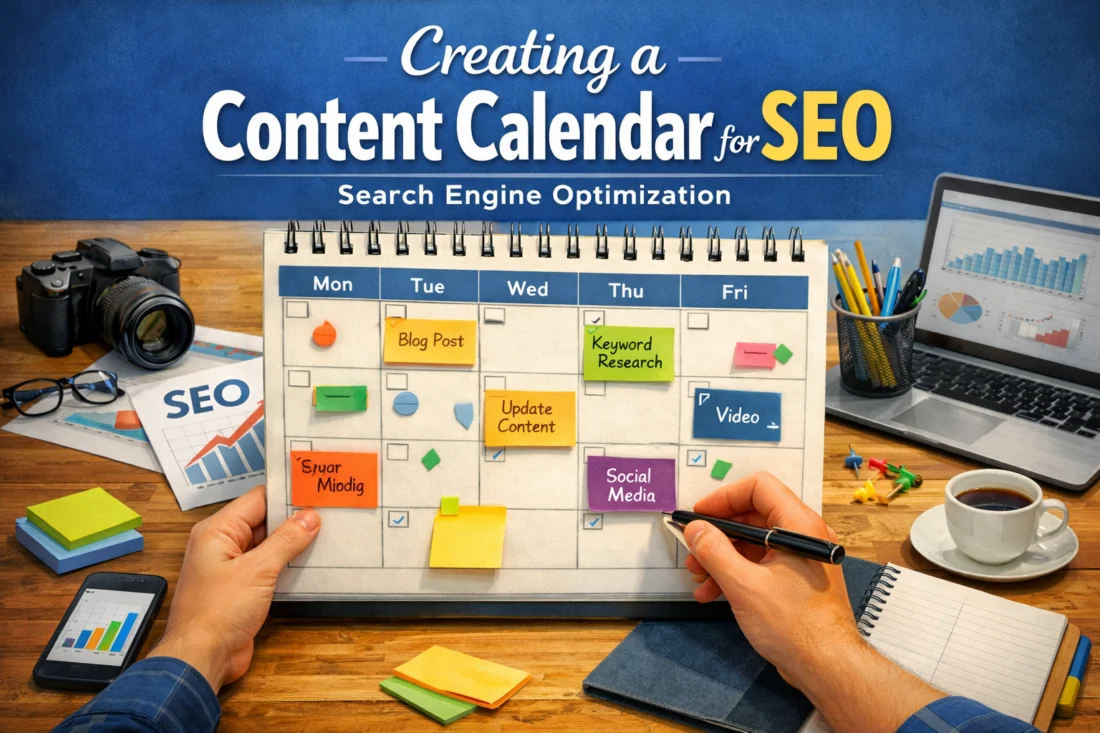
Maintaining a consistent publishing schedule is vital for SEO success. A content calendar helps achieve this by providing a visual roadmap of upcoming content, ensuring that there are no gaps in publishing. This consistency signals to search engines that your website is active and relevant, potentially improving its ranking.

A content calendar also aligns content with specific SEO goals, such as targeting particular keywords or addressing trending topics. By planning content in advance, businesses can proactively capitalize on seasonal trends or events, optimizing their content to meet audience demand. This proactive approach can lead to increased traffic and engagement.
There’s a common misconception that content calendars are only beneficial for large teams. In reality, even solo entrepreneurs or small businesses can benefit from this strategic tool. By organizing content efforts, creators can ensure they are consistently producing quality content that meets their audience’s needs.
Tip: Consider scheduling regular audits of your content calendar to ensure it aligns with current SEO trends and goals.
How to Create an Effective Content Calendar for SEO
Creating a Content calendar begins with identifying target keywords and topics. Conduct thorough keyword research to understand what your audience is searching for and which keywords have high search volumes but low competition. This research forms the basis of your content topics.

Once you have your topics, schedule them around SEO priorities and deadlines. Ensure that your content release plan aligns with peak audience engagement times and any relevant industry events. Tools like Google Calendar, Trello, or dedicated content management software can facilitate this process, offering features to track progress, deadlines, and team collaboration.
Integrating multimedia content, such as videos and infographics, into your calendar is crucial. These elements can enhance user engagement and improve SEO by increasing time spent on page and attracting backlinks.
Tip: Utilize color coding in your content calendar to differentiate between content types and priorities.
Common Mistakes in Creating a Content Calendar for SEO
One of the most common mistakes is overloading the content calendar with too many topics. While it’s tempting to cover everything, focus on quality over quantity. Prioritize topics that align closely with your audience’s interests and SEO goals.
Another pitfall is failing to update the calendar based on performance analytics. Regularly review your content’s performance to understand what resonates with your audience and adjust your calendar accordingly. Ignoring audience feedback and engagement metrics can lead to missed opportunities for optimization. Learn more about creating a content calendar for SEO to enhance your strategy effectively.
Balancing evergreen content with timely pieces can be challenging. While evergreen content remains relevant over time, timely pieces can capitalize on current trends. A well-balanced calendar should incorporate both to maximize SEO benefits.
Tip: Set reminders to review analytics and adjust your calendar every quarter.
Comparing Approaches to Content Calendar Development
When developing a content calendar, you can choose between manual and automated tools. Manual tools like spreadsheets offer customization and simplicity but can be time-consuming. Automated tools provide advanced features such as analytics integration and automated scheduling, which can save time and enhance efficiency.
Spreadsheets are a popular choice for their simplicity and ease of use, while dedicated software, like CoSchedule or Asana, offers robust features designed specifically for content planning. Choosing between team-based and individual management depends on your organization’s size and needs. Team-based management can foster collaboration, while individual management allows for greater control and flexibility.
To illustrate these choices, consider a small business using a spreadsheet for its flexibility, compared to a large organization utilizing advanced software for its ability to handle complex workflows and data integration.
Tip: Evaluate your team’s needs and budget before selecting a tool for your content calendar.
| Approach | Advantages | Disadvantages |
|---|---|---|
| Manual (Spreadsheets) | Customizable, Simple | Time-consuming, Limited features |
| Automated Tools | Advanced features, Time-saving | Costly, Learning curve |
Advanced Considerations for SEO-Driven Content Calendars
Optimizing content repurposing within the calendar can amplify SEO efforts. By identifying high-performing content, you can adapt it for different formats or platforms, extending its reach and lifespan.
The integration of AI and machine learning in content planning is becoming increasingly important. These technologies can analyze vast amounts of data to predict trends and suggest topics, helping you stay ahead of the competition. For a deeper understanding, explore how to create a content calendar for SEO. Flexibility is also crucial in responding to algorithm changes or unexpected content opportunities. A rigid calendar can hinder your ability to adapt to sudden shifts in SEO strategies or market demands.
Handling unexpected content opportunities or crises requires a nimble approach. Ensure your calendar can accommodate urgent changes without disrupting the overall strategy.
Tip: Regularly review AI-generated insights to refine your content strategy and calendar.
What Most Guides Get Wrong About Content Calendars for SEO
Many guides overlook the importance of cross-channel promotion strategies. Integrating social media and email marketing into your content calendar can amplify your reach and drive more traffic to your website. For detailed insights, explore our guide on creating SEO-friendly blog posts.
Another common error is neglecting competitor analysis in calendar planning. Understanding your competitors’ strategies can provide insights into what works and identify gaps in your own content that can be filled for competitive advantage.
Setting realistic goals and KPIs within the calendar is essential for measuring success. Unrealistic expectations can lead to burnout and disappointment. Remember, content calendars are not static documents. They should evolve with your business needs and external factors such as market changes or audience preferences.
Tip: Schedule regular competitor analysis sessions to keep your content calendar competitive and relevant.
Frequently Asked Questions About Creating a Content Calendar for SEO
What is the best tool for creating a content calendar for SEO?
Popular tools include Trello, Asana, and CoSchedule, each offering different features such as task tracking, collaboration, and analytics integration to aid SEO-focused content planning.
How often should a content calendar be updated?
Content calendars should be reviewed and updated at least quarterly, though monthly updates are ideal to adapt to performance metrics and industry trends.
Can a content calendar improve my website’s SEO ranking?
Yes, a well-organized content calendar enhances SEO by ensuring consistent, optimized content production, which can improve search engine rankings over time.
What are the key elements of an SEO-driven content calendar?
Essential components include target keywords, content topics, publishing dates, performance tracking, and integration with other marketing channels.
How do I integrate social media into my content calendar for SEO?
Align social media posts with your content calendar by scheduling complementary promotions and ensuring consistent messaging across platforms to enhance SEO impact.
Conclusion
Creating a content calendar is a vital tool in enhancing SEO efforts, offering structure and consistency to content strategies. Regular updates and flexibility are key to adapting to changes and maximizing SEO potential. By implementing the outlined strategies, readers can start crafting their own effective content calendars. For further optimization, consider using social media for content promotion as a strategic approach.