
This guide covers Building a Strong Brand Identity Through Website Design in practical terms—what to prioritize first, common pitfalls, and how to apply the ideas step by step.
In the competitive digital landscape of 2026, a strong brand identity is crucial for business success, serving as the cornerstone of consumer trust and recognition. A well-crafted brand identity not only distinguishes a company from its competitors but also fosters a deep connection with its target audience. One of the most effective ways to build and express this identity is through website design. By meticulously aligning design elements with brand values, businesses can create a cohesive and compelling online presence. In this article, we will explore the critical role of website design in building a strong brand identity, providing insights and strategies for businesses aiming to enhance their digital footprint.
Last updated: March 2026
The Role of Website Design in Brand Identity
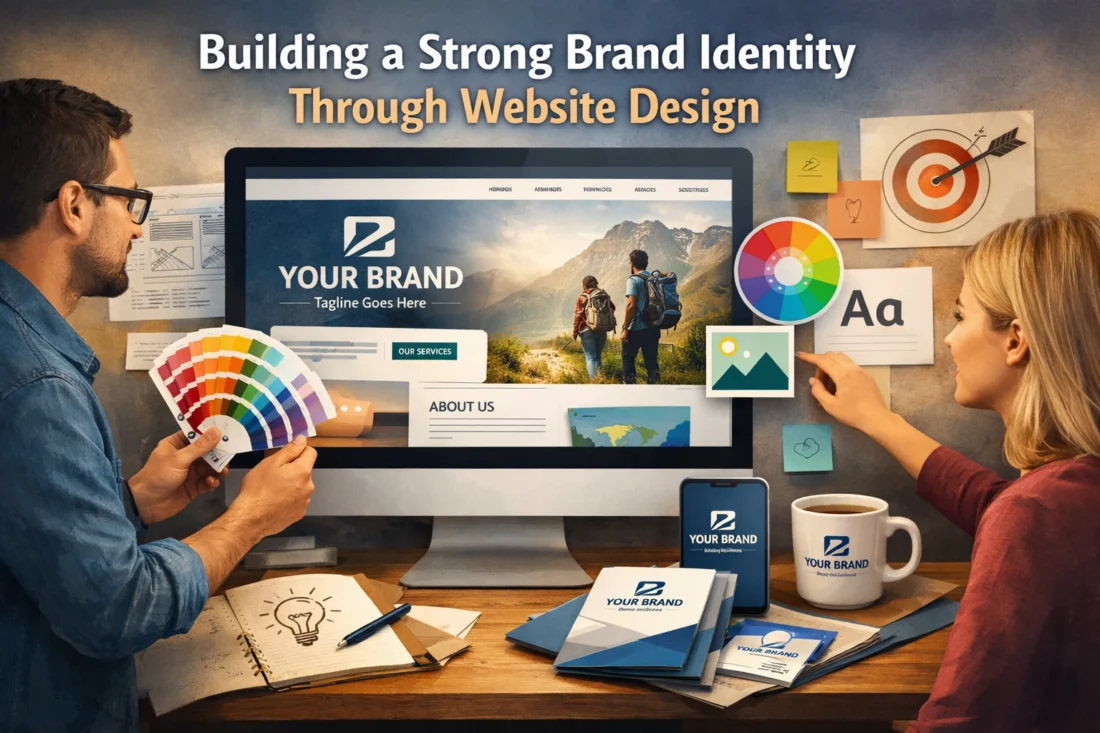
Website design plays a pivotal role in shaping brand perception, influencing how audiences perceive a business at first glance. Aesthetics, such as color schemes, typography, and layout, significantly impact the psychological impressions visitors form about a brand. Every visual element communicates a message, consciously or subconsciously, contributing to the overall narrative of the brand.
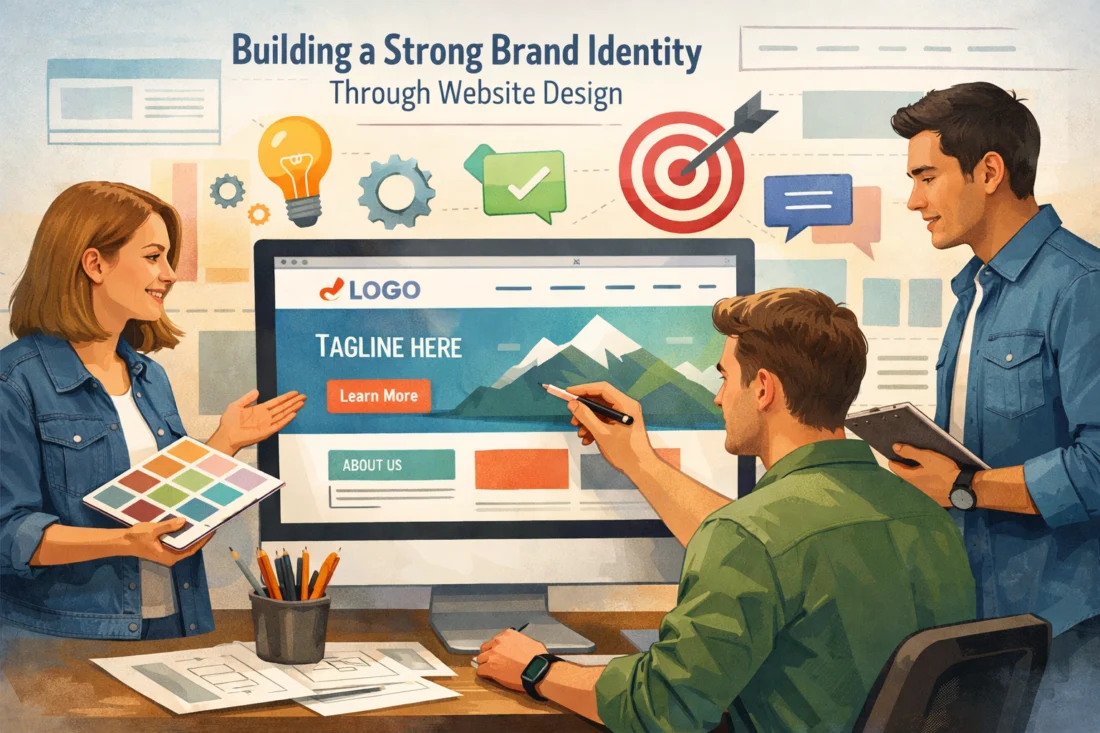
For instance, the use of calming blues and greens can convey trust and tranquility, while bold reds might evoke excitement and urgency. Typography also speaks volumes; serif fonts often exude sophistication, while sans-serif fonts might be seen as modern and approachable. The layout and structure of a website further reinforce brand values, guiding user experience and engagement.
Consistency across digital touchpoints is essential in reinforcing brand identity. Ensuring that the website design aligns with other branding materials, such as social media profiles and marketing collateral, helps create a unified brand image. However, it’s also crucial to consider cultural nuances in design perceptions, especially for brands with a global audience. What appeals to one culture might not resonate with another, necessitating adaptable design strategies to cater to diverse markets.
Tip: Conduct A/B testing to understand which design elements best align with your target audience’s preferences and cultural context.
How to Build a Strong Brand Identity Through Effective Website Design
The journey of building a strong brand identity through website design begins with defining clear brand values. These values should be the guiding principles behind every design decision, from color schemes to the choice of imagery. Translating these values into visual elements requires a strategic approach, ensuring that each aspect of the design aligns with the brand’s messaging and goals.
When selecting design elements, consider their ability to communicate the desired brand narrative. For example, a brand emphasizing sustainability might choose earthy tones and organic shapes, whereas a tech-driven company may opt for sleek, futuristic visuals. The decision to pursue a DIY design approach or hire professional services depends on the complexity of the brand’s needs and available resources. While DIY options can be cost-effective, professional designers bring expertise that ensures a cohesive and polished representation of the brand.
Balancing aesthetics with functionality is another critical aspect. While an eye-catching design draws attention, ensuring that the website remains user-friendly and accessible is paramount. There are instances where brand identity may conflict with user experience, such as when a unique design element disrupts navigation. In such cases, prioritizing user-friendliness can enhance overall engagement and satisfaction.
Tip: Collaborate with a professional designer to create a style guide that outlines your brand’s visual identity and ensures consistency across all platforms.
Common Mistakes in Building Brand Identity with Website Design
Building a brand identity through website design is not without its challenges. One common pitfall is overcomplicating the design, which can overwhelm visitors and obscure the brand message. Simplicity often leads to clarity, allowing the brand’s core values to shine through without unnecessary distractions.
Another mistake is ignoring mobile responsiveness. With the increasing reliance on mobile devices, ensuring that a website is optimized for all screen sizes is crucial. Neglecting this aspect can result in a negative user experience, potentially driving away a significant portion of the audience.
Misconceptions about design trends can also hinder brand identity development. While it’s important to stay current, blindly following trends can lead to a lack of originality and a diluted brand message. Instead, focusing on timeless design principles that resonate with the brand’s identity can provide lasting value.
Inconsistent branding across platforms is another risk, as it can confuse audiences and weaken brand recognition. Consistency in logos, color palettes, and tone of voice across all digital channels reinforces the brand’s presence and reliability.
Tip: Regularly collect and analyze audience feedback to identify aspects of your website design that may need improvement or adjustment.
Exploring Different Approaches to Brand Identity in Website Design
Various design approaches offer unique pathways to developing a strong brand identity. Minimalist design focuses on simplicity and the strategic use of space, helping to highlight essential brand elements. This approach can convey elegance and sophistication, often appealing to brands aiming for a modern, upscale image.
In contrast, maximalist design embraces bold, dynamic visuals and a rich array of features. This style suits brands that wish to express creativity and energy, creating a memorable and impactful user experience. Storytelling through visual design is another powerful method, where the website layout unfolds a narrative that enhances user experience through strategic design, deepening their connection with the brand.
Choosing between templates and custom designs also impacts brand expression. Templates offer a cost-effective solution with quick implementation, though they may lack uniqueness. Custom designs provide a tailored experience that aligns closely with specific brand values but require more investment in time and resources.
Interactive design elements, such as animations and dynamic content, can significantly enhance brand engagement by creating immersive experiences. However, they must be used wisely to avoid overwhelming users or slowing down site performance.
Tip: Evaluate your brand’s core message and target audience when deciding between minimalist and maximalist design approaches.
Advanced Considerations for Building Brand Identity Through Website Design
As technology evolves, emerging tools and platforms offer new opportunities to enrich brand identity. Artificial intelligence (AI) and augmented reality (AR) are at the forefront of this revolution, enabling personalized and interactive experiences that elevate brand engagement. For instance, AI-driven chatbots can enhance customer interaction, while AR features offer immersive product demonstrations. Discover how to leverage these technologies by building a successful online store with strong brand identity.
Accessibility features are another critical element of modern website design, promoting inclusivity and reaching a broader audience. Implementing features such as text-to-speech, adjustable font sizes, and high-contrast modes ensures that all users, regardless of ability, can interact with the brand.
Despite the allure of innovative design, it’s essential to weigh the investment against potential returns. Not all brands may benefit equally from heavy design investments, particularly if their audience values functionality over aesthetics.
Data analytics plays a vital role in refining brand identity, providing insights into user behavior and preferences. By analyzing metrics such as page views, bounce rates, and conversion rates, businesses can make informed decisions to enhance their web design strategy for a strong brand identity.
Post-launch design evaluation is often overlooked, yet it is crucial for ensuring continued alignment with brand goals. Regularly assessing website performance and user feedback helps identify areas for improvement and adaptation.
Tip: Leverage data analytics to track user engagement and refine your website design strategy based on real-world insights.
Frequently Asked Questions About Building a Strong Brand Identity Through Website Design
How does website design affect brand identity?
Website design directly impacts brand identity by shaping first impressions and conveying brand values through visual elements. A cohesive design enhances brand perception and recognition.
What are the key elements of website design for brand identity?
Essential components include a consistent logo, strategic color scheme, and carefully chosen typography, all of which should align with the brand’s message and values.
Why is consistency important in website design for branding?
Consistency reinforces brand recognition and trust, ensuring that all digital touchpoints present a unified and reliable brand image to the audience.
How can small businesses build a strong brand identity through website design?
Small businesses can focus on defining clear brand values, using cost-effective templates with custom tweaks, and ensuring mobile responsiveness to maximize impact on limited budgets.
What are the latest trends in website design for brand identity in 2026?
Trends in 2026 include the integration of AI for personalization, the use of AR for interactive experiences, and a focus on accessibility to broaden audience reach.
Conclusion
Website design is integral to building a strong brand identity, acting as the digital embodiment of a brand’s values and message. By aligning design elements with these values, businesses can create a compelling and cohesive brand presence that resonates with their target audience. As technology and design trends evolve, staying informed and adaptable is essential. Businesses should regularly evaluate their website design, seeking opportunities for enhancement and alignment with audience needs. Consulting with a professional designer can provide valuable insights and guidance, ensuring that the brand identity remains strong and relevant in the ever-changing digital landscape. For those seeking further inspiration, exploring case studies of successful brand identity transformations can offer valuable lessons and strategies.