

Website Design and Development are fundamental components of building a successful online presence in 2026. As digital landscapes evolve, the importance of a well-structured, visually appealing, and functional website cannot be overstated. Whether you’re an entrepreneur launching a new business or an established company aiming to enhance your digital footprint, understanding the intricacies of website design and development is crucial. This guide explores the latest trends, strategies, and best practices to ensure your website not only meets but exceeds user expectations.
Last updated: March 2026

Understanding Website Design and Development
Website Design and Development in 2026 encompasses a dynamic blend of creativity and technology. At its core, design focuses on aesthetics and user experience (UX), incorporating elements like layout, color schemes, and navigation. Development, meanwhile, involves coding and functionality, ensuring the site operates smoothly across devices. Over the past decade, there has been a significant shift towards mobile-first and responsive designs, driven by the growing use of smartphones and tablets.

The industry has witnessed rapid evolution, with trends such as minimalist design, dark mode, and voice user interfaces gaining traction. Staying updated with these trends is not just about aesthetics; it’s about maintaining competitiveness in a crowded market. A modern, user-friendly website can significantly impact your brand’s credibility and customer engagement.
Tip: Regularly review industry publications and attend web design conferences to stay informed about emerging trends.
How to Achieve Effective Website Design and Development
The journey from conceptualization to website launch is multifaceted. It begins with defining clear objectives aligned with your business goals and user needs. Selecting the best website design and development in Salem is critical—options range from Adobe XD for design to WordPress for development. Deciding between custom development and templates often depends on budget, timeline, and specific requirements. Custom designs offer uniqueness, whereas templates provide a cost-effective and quicker alternative.

Responsive design is no longer optional; it’s essential. With a significant portion of web traffic coming from mobile devices, ensuring a seamless experience across all screen sizes is paramount. This approach not only enhances user satisfaction but also positively impacts SEO.
Tip: Always test your website on multiple devices and browsers before launch to ensure consistent performance.
Common Mistakes and Pitfalls in Website Design and Development
One common mistake in website design is neglecting the user experience. Cluttered layouts, slow load times, and confusing navigation can frustrate visitors and drive them away. From a development perspective, overlooking SEO best practices, such as optimizing images and using meta tags, can hinder your site’s visibility on search engines.
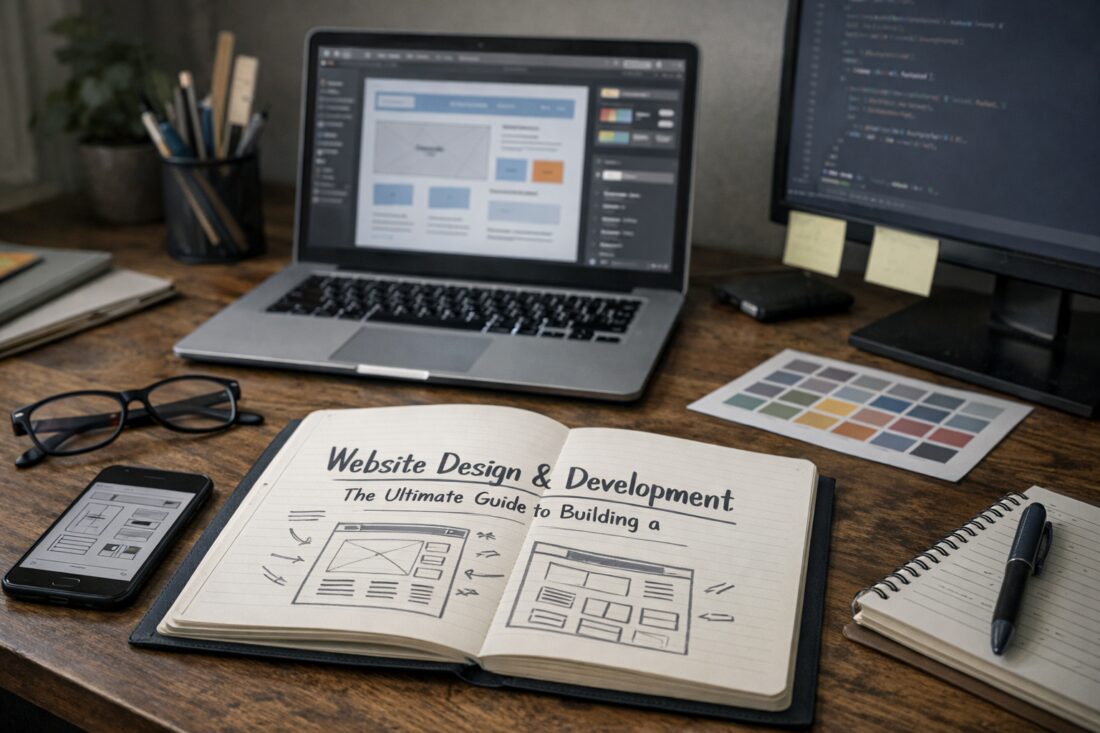
Another pitfall is underestimating project scope, leading to cost overruns and missed deadlines. Accessibility is often overlooked, yet it’s crucial for reaching a broader audience and complying with legal standards. Effective project management is essential to avoid these issues, ensuring clear communication, realistic timelines, and thorough testing.
Tip: Conduct user testing sessions to gather feedback and identify areas for improvement before the final launch.
Exploring Options and Alternatives in Website Design and Development
When considering website development options, businesses often face a choice between custom-built sites and CMS platforms like WordPress or Shopify. Custom sites offer greater flexibility and customization but can be costly and time-consuming. CMS platforms provide ease of use and cost-efficiency, making them ideal for small to medium-sized enterprises.
In-house development versus outsourcing is another critical decision. While in-house teams ensure direct control and faster communication, outsourcing can provide access to a broader range of expertise and resources. Additionally, design frameworks such as Bootstrap or Tailwind CSS offer various advantages, including pre-designed components that can accelerate the development process.
Tip: Evaluate your team’s expertise and project requirements to choose the most suitable development approach.
Advanced Considerations in Website Design and Development (Beyond Basics)
For those looking beyond the basics, advanced optimization techniques, such as implementing a Content Delivery Network (CDN) or leveraging lazy loading, can significantly improve site speed and performance. Internationalization and localization are vital for businesses targeting global markets, ensuring content is culturally relevant and accessible.
Security is a non-negotiable aspect of modern web development. Implementing SSL certificates, regular security audits, and data privacy measures are essential to protect user information. The integration of AI and machine learning can enhance user experiences through personalized content and intelligent chatbots.
Tip: Regularly update your website’s software and plugins to patch vulnerabilities and improve security.
Frequently Asked Questions About Website Design and Development
What is the difference between web design and web development?
Web design focuses on the visual and interactive aspects of a website, such as layout and UX, while web development involves building and maintaining the site’s functionality through coding.
How long does it take to design and develop a website?
The timeline varies based on complexity, ranging from a few weeks for simple sites to several months for complex projects involving custom features and extensive content.
What are the costs associated with website design and development?
Costs can vary widely, from a few hundred dollars for basic sites using templates to tens of thousands for custom designs with advanced features.
How can I make my website accessible to all users?
Implement key accessibility standards, such as providing alt text for images, using clear headings, and ensuring keyboard navigation capabilities.
What are the best tools for website design and development in 2026?
Popular tools include Figma for design, WordPress for development, and GitHub for version control. These tools are favored for their robust features and community support.
How does SEO impact website design and development?
SEO influences design choices, such as site structure and load speed, and development practices, like meta tags and mobile optimization, to improve search engine visibility.
What should I look for in a website design and development agency?
Consider their portfolio, client reviews, expertise in your industry, and their approach to communication and project management.
How do I ensure my website is secure?
Implement SSL certificates, conduct regular security audits, and follow best practices for data encryption and user authentication.
How can I optimize my website for mobile users?
Adopt a mobile-first design strategy, ensure fast load times, and use responsive design techniques to cater to various screen sizes.
Why is user experience important in website design and development?
Good UX leads to higher user satisfaction, increased engagement, and better conversion rates, ultimately contributing to business success.
Conclusion
In the rapidly evolving digital landscape of 2026, strategic planning in Website Design and Development is more critical than ever. Continuous learning and adaptation to new trends are essential for maintaining a competitive edge. Engaging with professionals for tailored solutions can make a significant difference in achieving your business goals. Before committing to a project, compare various approaches to find the best fit for your needs. For more personalized advice, consider consulting with industry experts who can guide you through the process.